Expert Tips for Supporting Refugee Youths in Skill Development


Understanding the Challenges Faced by Refugee Youths
Refugee youths face a myriad of challenges as they adapt to new environments. Language barriers, cultural differences, and educational disruptions are just a few hurdles they encounter. These challenges can impede their ability to develop essential skills needed for future success. Understanding these issues is the first step in providing effective support.
It’s crucial to recognize that each refugee's experience is unique. Tailoring support to their individual needs can significantly impact their ability to thrive. By addressing these challenges with empathy and strategic intervention, we can empower refugee youths to overcome obstacles and reach their full potential.

Implementing Language and Communication Support
Language is often the most significant barrier for refugee youths in skill development. Providing language classes or tutoring can be incredibly beneficial. Offering resources in their native language can also ease the adaptation process.
Encouraging language practice through conversation clubs or peer-to-peer mentoring can enhance their communication skills. This not only aids in education but also fosters social connections, which are vital for emotional well-being.
Creating Inclusive Educational Opportunities
Access to quality education is essential for skill development. Schools and educational institutions should implement inclusive policies that accommodate the unique needs of refugee youths. This includes offering preparatory classes and tailored curricula.
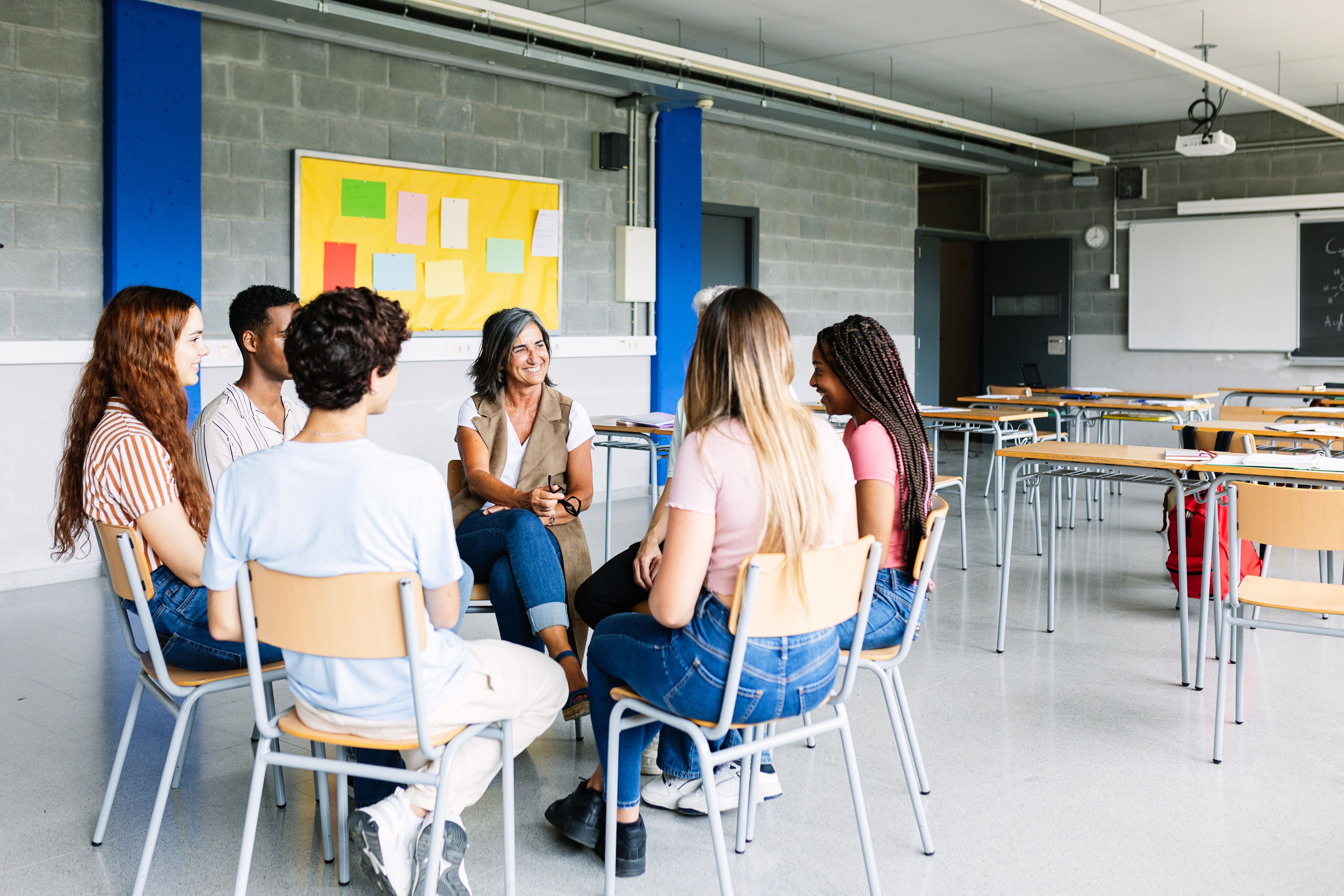
Collaboration between educators, community organizations, and policymakers can lead to more comprehensive support systems. By creating a welcoming and supportive educational environment, refugee youths are more likely to engage and succeed academically.
Encouraging Participation in Extracurricular Activities
Extracurricular activities provide refugee youths with opportunities to explore interests, develop new skills, and build friendships. Sports, arts, and community service can be excellent avenues for personal growth and social integration.
- Sports teams can promote teamwork and leadership skills.
- Art programs encourage creativity and self-expression.
- Community service fosters a sense of belonging and responsibility.
Providing Access to Technology and Resources
Access to technology is crucial for skill development in today’s digital age. Providing refugee youths with computers, internet access, and digital literacy training can open doors to a wealth of educational resources and opportunities.

Partnerships with tech companies or local businesses can facilitate the provision of necessary tools and training. Ensuring that refugee youths are not left behind in the digital world is essential for their future success.
Building Strong Support Networks
Support networks are vital for the well-being and development of refugee youths. Mentoring programs, community groups, and peer support networks can provide the encouragement and guidance they need to navigate new challenges.
Creating a sense of community and belonging can significantly impact their emotional health and motivation. Strong support networks can empower refugee youths to pursue their aspirations with confidence.
Conclusion: Empowering Refugee Youths for a Brighter Future
Supporting refugee youths in skill development requires a multifaceted approach that addresses their unique challenges and leverages their strengths. By providing language support, inclusive education, extracurricular opportunities, access to technology, and robust support networks, we can empower these young individuals to build successful futures.
With collective effort and understanding, we can transform the potential of refugee youths into a powerful force for positive change in our communities.