How Vocational Training Empowers Refugee Youths for Success


Introduction
As the global refugee crisis continues to grow, the need for effective solutions becomes more pressing. Among these solutions, vocational training stands out as a powerful tool for empowering refugee youths. By equipping them with essential skills, vocational training programs help these young individuals build a brighter future, integrating them into society and boosting their confidence.
The Importance of Skills Development
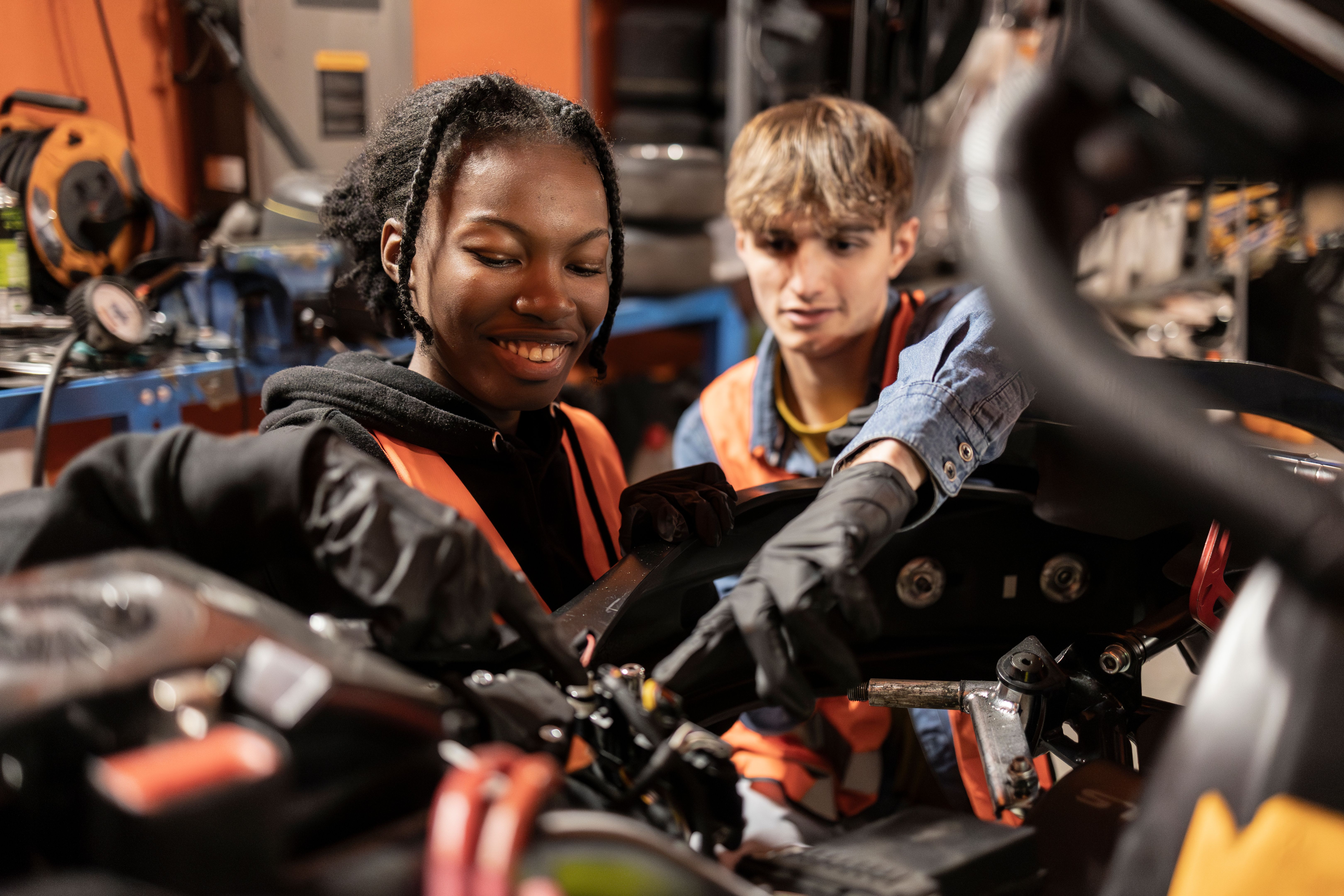
Refugee youths often face numerous challenges, including language barriers, cultural differences, and limited access to education. Vocational training addresses these challenges by providing practical skills that are in demand in the job market. These programs focus on trades such as carpentry, plumbing, and information technology, allowing participants to gain hands-on experience and improve their employability.
Building Confidence and Independence
One of the key benefits of vocational training is the boost in self-confidence it provides. As refugee youths acquire new skills, they gain a sense of accomplishment and independence. This newfound confidence encourages them to take charge of their lives and pursue their ambitions, breaking free from the limitations of their past circumstances.
Creating Community Connections
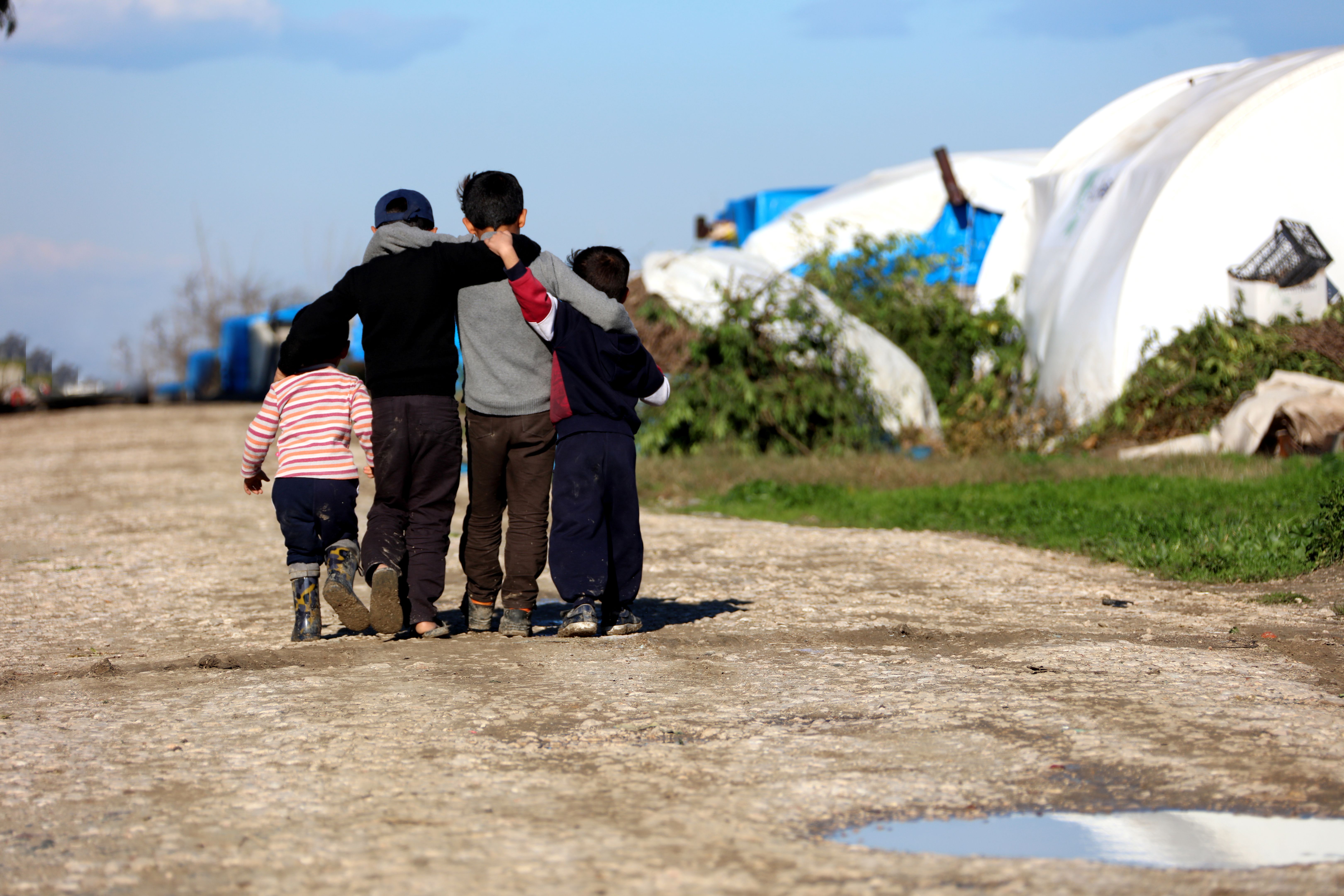
Vocational training programs often involve collaboration with local businesses and organizations. This collaboration helps refugee youths establish valuable connections within their communities. By working alongside local professionals, they not only enhance their skills but also build a network that can lead to potential job opportunities and mentorship.
Contributing to Economic Growth
Empowering refugee youths through vocational training not only benefits the individuals but also contributes to the economic growth of host countries. By integrating into the workforce, these young individuals can contribute to various industries, filling labor gaps and driving innovation. This integration fosters a more inclusive society, bridging cultural divides and promoting mutual understanding.

Challenges and Solutions
Despite its benefits, vocational training for refugee youths faces challenges such as limited funding and resources. However, partnerships with government agencies, non-profit organizations, and private sector stakeholders can help overcome these obstacles. By working together, these entities can ensure that vocational training programs are accessible and effective.
Long-term Impact
Investing in vocational training for refugee youths has a lasting impact on both individuals and communities. As these young people integrate into society and contribute to the economy, they become role models for future generations. Their success stories inspire others, demonstrating the power of education and skill development in transforming lives.

Conclusion
Vocational training is a vital tool in empowering refugee youths for success. By providing them with the skills and confidence needed to thrive, these programs enable young refugees to overcome adversity and achieve their full potential. As we continue to address the global refugee crisis, investing in vocational training is a crucial step toward building a more inclusive and prosperous world.