How Vocational Training Empowers Refugee Youths in the U.S.


As the number of refugees resettling in the United States continues to grow, the need for effective integration strategies becomes increasingly important. Vocational training has emerged as a key tool in empowering refugee youths, offering them a path to stability and self-sufficiency.
Understanding the Importance of Vocational Training
Vocational training provides refugees with practical skills that are directly applicable to the job market. This type of education focuses on specific trades and industries, enabling young refugees to quickly gain employment and contribute to their communities. By offering hands-on experience, vocational training helps bridge the gap between refugees and the workforce.
Moreover, vocational training programs are often shorter and more affordable than traditional college degrees, making them an accessible option for many refugee youths who need to support themselves and their families.

Building Confidence and Independence
For many refugee youths, moving to a new country can be an overwhelming experience. Vocational training not only equips them with skills but also builds their confidence. By learning a trade, these young individuals gain a sense of accomplishment and pride in their abilities, fostering independence and self-esteem.
Furthermore, the social aspect of vocational training programs allows refugees to build networks and friendships, which are crucial for emotional support and integration into their new communities.
Addressing Barriers to Employment
Refugees often face numerous barriers to employment, including language barriers, lack of local work experience, and unfamiliarity with the job application process. Vocational training programs frequently incorporate language support and career counseling, addressing these challenges head-on.
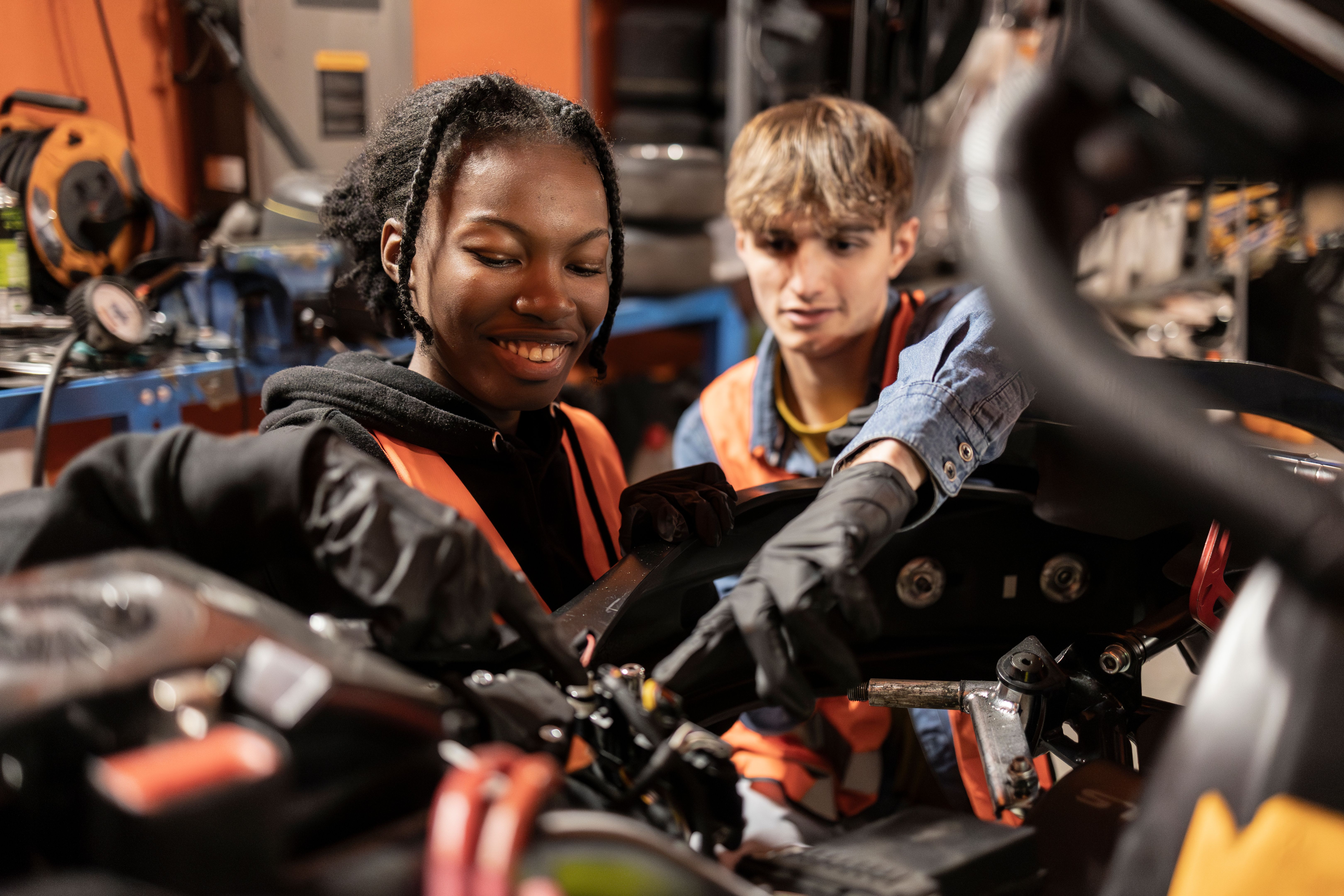
By providing tailored support, these programs help refugees understand and navigate the U.S. job market, improving their chances of securing stable employment.
Contributing to Economic Growth
The impact of vocational training extends beyond the individual. By empowering refugee youths with employable skills, these programs contribute to the economic growth of the communities they join. Skilled workers are essential for a thriving economy, and refugees can help fill labor shortages in various industries.
Additionally, as refugees gain employment and become financially independent, they contribute to the local economy through spending and taxes, further benefiting their new communities.

Successful Examples and Case Studies
Numerous success stories highlight the transformative power of vocational training for refugee youths. Programs across the U.S. have successfully integrated refugees into industries such as healthcare, technology, and manufacturing. These examples serve as a testament to the effectiveness and necessity of vocational training initiatives.
By sharing these stories, we can inspire more organizations and communities to invest in vocational training as a means to support refugee integration and empowerment.
Conclusion
Vocational training plays a crucial role in empowering refugee youths in the U.S., offering them the skills and confidence needed to build successful lives. As we continue to welcome refugees, it is imperative to support and expand vocational training programs, ensuring that all young refugees have the opportunity to thrive and contribute positively to society.