The Role of Community Support in Refugee Education Initiatives in Illinois


The Importance of Community Support
The role of community support in refugee education initiatives in Illinois cannot be overstated. Communities provide crucial resources, mentorship, and emotional backing that help refugees integrate into the educational system. This support acts as a bridge, connecting new arrivals to the opportunities and tools necessary for success.
Local organizations and volunteers often step in where governmental programs may fall short, offering personalized assistance that helps refugees navigate the complexities of a new educational environment. This grassroots involvement fosters a sense of belonging and empowers refugees to thrive in their new communities.
Collaborative Efforts
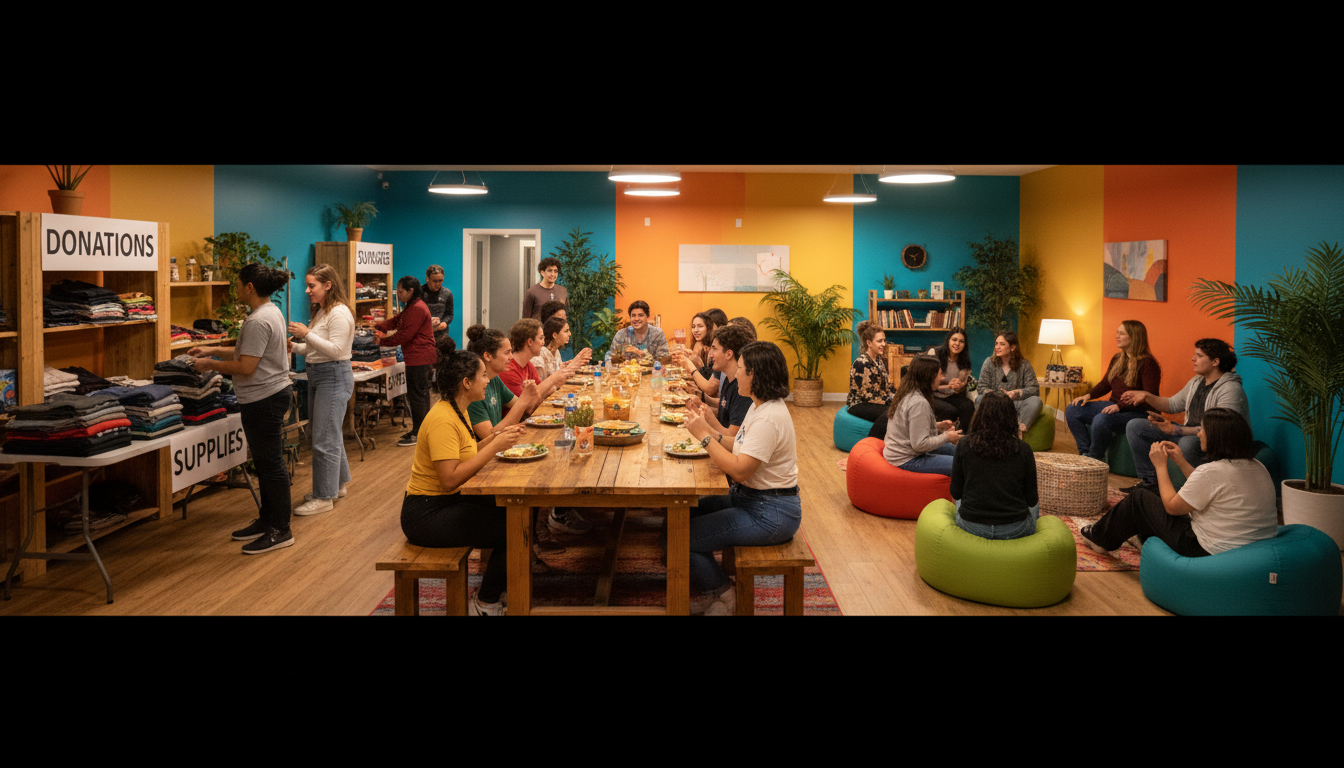
One of the key elements in successful refugee education initiatives is collaboration. Schools, local businesses, and non-profit organizations in Illinois frequently unite to create supportive networks. These collaborations often result in tailored educational programs that address the specific needs of refugee students, from language acquisition to cultural acclimation.
Such partnerships also facilitate access to resources like school supplies, transportation, and extracurricular activities. By pooling resources and expertise, these entities create a more inclusive educational landscape that benefits both refugees and the wider community.
Mentorship and Role Models
Mentorship programs play a vital role in helping refugee students adapt to their new educational settings. Community members often volunteer as mentors, providing guidance and serving as positive role models. These relationships offer emotional support and practical advice, helping students overcome challenges and build confidence.

Mentors can also serve as cultural liaisons, helping students and their families understand and engage with local customs and expectations. This cultural bridge is essential for creating a comfortable and welcoming environment for learning.
Language and Cultural Support
Language barriers are one of the most significant challenges faced by refugee students. Community support often includes language classes and tutoring, which are instrumental in helping students achieve academic success. Bilingual volunteers and teachers can provide invaluable assistance, offering personalized instruction and support.
Cultural support is equally important. Community events and workshops that celebrate diversity and inclusion help refugees feel more connected to their new environment. These events foster mutual understanding and respect, laying the groundwork for lasting integration.

Impact on Academic Success
The impact of community support on refugee education in Illinois is evident in the academic achievements of refugee students. Studies have shown that students who receive strong community backing tend to have higher grades and better attendance. This support not only aids academic success but also boosts overall well-being.
The positive ripple effects extend beyond the classroom. As refugee students succeed, they contribute to the diversity and vibrancy of Illinois’ communities, enriching the cultural tapestry and fostering economic growth.
Challenges and Opportunities
Despite the successes, challenges remain in providing comprehensive support to all refugee students. Funding constraints and resource limitations can hinder the effectiveness of community initiatives. However, these challenges also present opportunities for innovation and growth.
By leveraging technology and fostering stronger partnerships among community stakeholders, Illinois can continue to enhance its refugee education initiatives. The ongoing commitment of communities to support refugees is essential in building a more equitable educational landscape.